
In today’s borderless business landscape, companies increasingly rely on talent from around the world. But managing people across countries, time zones, and legal systems isn’t easy. That’s where global workforce management comes in — a strategic approach that helps businesses coordinate, optimize, and support their international teams efficiently while staying fully compliant.
Table of Contents
Global workforce management (GWM) refers to the end-to-end process of coordinating and optimizing a company’s international workforce. It covers hiring, scheduling, performance tracking, compliance with local labor laws, and employee engagement across borders.
The goal: Align global talent with business objectives while ensuring consistency, efficiency, and legal compliance. Global workforce management covers the entire process of managing employees, from recruitment to compliance and performance tracking.
GWM ensures that companies can manage remote or on-site employees worldwide seamlessly. It encompasses key areas such as attendance tracking, absence management, performance management, and cultural alignment. Labor management is integrated into GWM, including time tracking, absence management, and payroll to enhance workforce efficiency and accuracy.
Not quite. HR manages employee lifecycle activities like recruitment, training, benefits, and development. Workforce management, on the other hand, focuses on optimizing the operational side of labor — ensuring the right number of people work at the right time, in compliance with regulations.
Think of HR as “who we hire,” and workforce management as “how we maximize who we hire.”
In global operations, HR ensures hiring compliance, while workforce management aligns scheduling, productivity, and performance across borders.
Integrated technology and strong coordination connect these functions seamlessly — creating a unified people strategy, often supported by global platforms or EOR partners like PamGro.
The primary goal of workforce management is to maximize efficiency, productivity, and compliance while minimizing operational costs. It ensures that employees are optimally scheduled and managed to meet business demands without over- or under-staffing, aligning staffing and scheduling with overall business goals.
From labor forecasting and flexible scheduling to compliance and engagement, workforce management balances company goals with employee wellbeing. It ensures the right talent is in place to meet demand, boosting both efficiency and satisfaction. For global teams, mastering time zones, holidays, and work-hour rules cuts costs and enhances performance and customer satisfaction.
Each country has distinct rules for contracts, overtime, and benefits. Beyond compliance, communication barriers and cultural nuances affect collaboration and engagement. Coordinating time zones and absence management adds another layer of complexity.
Managing employee leave and absenteeism across different countries introduces significant compliance risk, as failure to adhere to local regulations can result in legal and financial penalties. Relying on manual processes for workforce management can increase complexity and lead to errors in scheduling and leave tracking. Utilizing effective communication tools is essential for facilitating collaboration and regular check-ins across time zones.
That’s why businesses often partner with an Employer of Record (EOR) like PamGro, which takes care of local compliance, payroll, and risk management, allowing companies to focus on building high-performing teams instead of managing red tape.
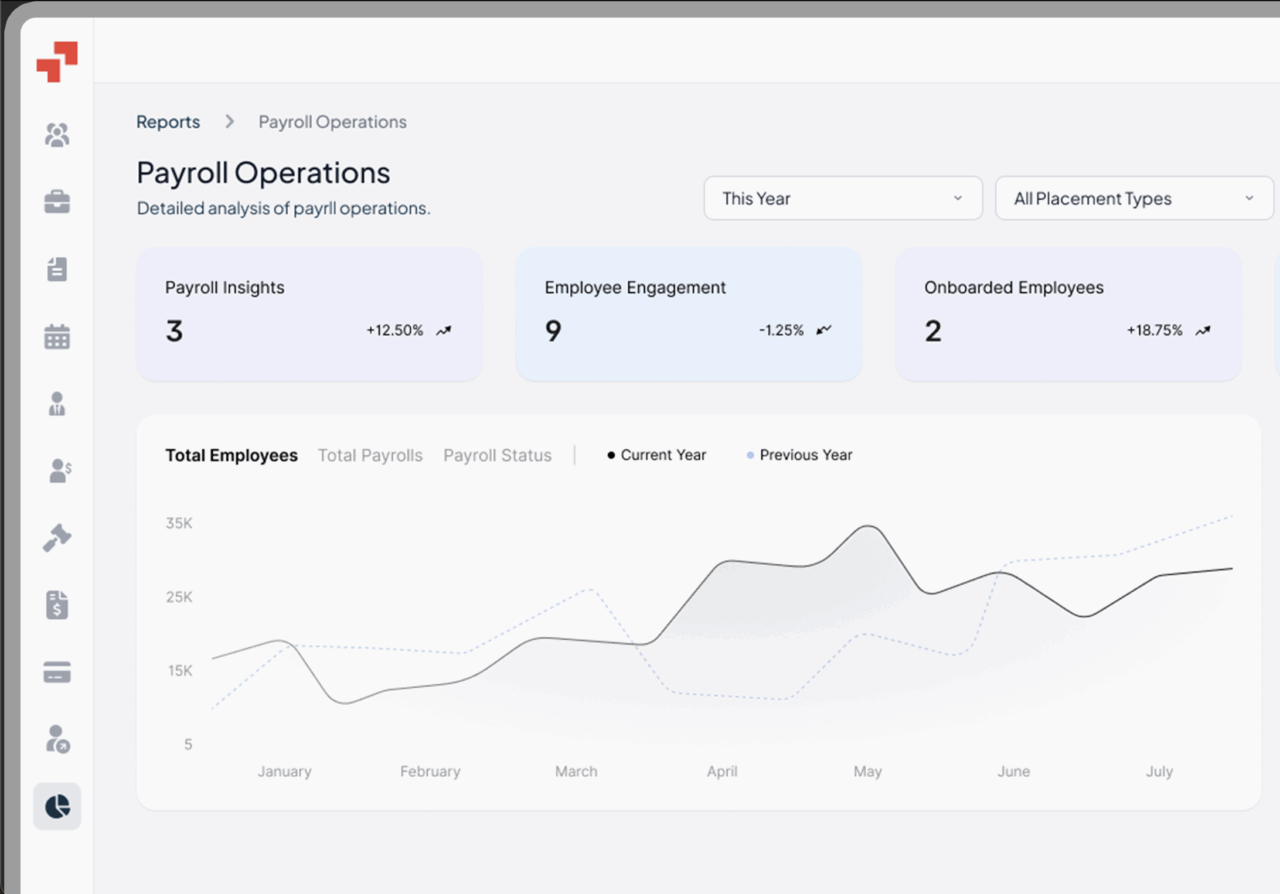
A workforce management solution is a comprehensive system that optimizes employee scheduling, time and attendance, labor forecasting, and workforce analytics. It streamlines scheduling, time tracking, compliance, performance, and analytics across the employee lifecycle. These solutions ensure workforce efficiency, visibility, and help control labor costs through real-time insights and scheduling automation.
Expanded:Core functions include:
Time & attendance tracking
Employee scheduling
Creating schedules
Employee schedules
Absence and leave management
Time off requests (enhancing employee satisfaction and flexibility)
Labor forecasting and scheduling
Performance and productivity monitoring
Compliance and risk management
Reporting and analytics
Workforce analytics (providing predictive insights and supporting strategic decision-making)
Cloud based computing enables scalable, remote access to workforce management tools and data, supporting global operations and integration. Effective workforce management solutions improve service quality by ensuring optimal staffing and performance, while also helping organizations control labor costs.
Navigating labor laws and ensuring regulatory compliance are core to effective global workforce management. As companies expand, they face varying rules on contracts, wages, benefits, and termination across countries — making compliance complex.
A strong workforce management system helps track regulations, automate compliance alerts, and generate audit-ready reports. This minimizes legal risks, avoids fines, and safeguards brand reputation. Ultimately, effective global workforce management takes a proactive approach to compliance, ensuring every hire and process aligns with local and international labor standards.
The future is digital, data-driven, and global. AI-enabled forecasting, automation, and predictive analytics will redefine how businesses manage international teams and optimize human capital.
Cloud-based platforms will integrate HR, payroll, and compliance data to deliver real-time visibility into labor utilization. AI will enable smarter scheduling and predictive absence management. Flexible work arrangements, hybrid setups, and global team collaboration will dominate.
A workforce management specialist ensures the organization’s labor resources are optimized through planning, scheduling, and analysis. They align staffing with business needs while maintaining compliance and efficiency.
In global operations, their role extends to cross-border compliance, labor forecasting, absence tracking, and performance optimization. They analyze workforce data, coordinate with HR, and implement WFM tools to improve efficiency. Specialists working with partners like PamGro gain access to global compliance support, reducing the risks of misclassification and payroll errors while ensuring consistent global performance standards.
Workforce management (WFM) is the strategic process of aligning employee capacity with operational demand. It ensures every shift, project, and location operates efficiently, keeping employees engaged and compliant with legal frameworks.
Without effective WFM, companies risk inefficiency, burnout, and legal exposure. In a global setting, it becomes the backbone of sustainable growth — connecting talent strategy, compliance control, and performance visibility. For scaling businesses, integrating WFM with an EOR provider like PamGro simplifies everything from payroll processing to regulatory compliance, so HR teams can focus on growth, not administration,
A global workforce gives companies access to diverse skills, continuous coverage, and cost efficiencies — while boosting innovation and business agility.
Access to global talent: Hire the best minds regardless of location.
24/7 productivity: Teams across time zones ensure constant workflow.
Cost optimization: Balance skill quality with market rates.
Cultural innovation: Diverse teams drive creativity and problem-solving.
Enhanced employee productivity: Effective global workforce management ensures the right people are in the right roles at the right times, optimizing staffing efficiency and improving organizational performance.
The challenge lies in compliance — every region has unique labor laws. PamGro’s EOR solutions ensure compliant hiring, seamless payroll, and risk-free global expansion while you focus on growing your business.
Here’s how to do it right:
Use unified systems for scheduling, attendance, and payroll to reduce the administrative burden on HR and payroll teams by minimizing data inaccuracies and streamlining processes.
Train leaders in cross-cultural communication.
Stay compliant with each region’s labor laws.
Offer flexible scheduling to balance work-life needs.
Measure engagement and productivity consistently, leveraging strategic insights from workforce data to inform global workforce management decisions and align HR activities with business objectives. When combined with PamGro’s EOR framework, these practices let businesses operate confidently in any country without worrying about legal entities or compliance risks.
Imagine a U.S.-based SaaS firm expanding support operations into Europe and Asia. Using a global workforce management system, it forecasts ticket demand and performs forecasting labor to predict staffing needs, schedules shifts across time zones, tracks attendance, and monitors performance KPIs.
Expanded:The company assigns daytime coverage to Europe, evening shifts to Asia, and integrates real-time analytics for efficiency. Absence management tools handle local holidays, while compliance modules ensure adherence to regional labor laws. Result: reduced operational costs, higher customer satisfaction, and round-the-clock support. With PamGro managing EOR compliance and payroll, the firm focuses entirely on performance and growth — not paperwork.
A global tech startup wanted to expand into four new markets but lacked local legal entities. They engaged PamGro to employ talent compliantly in India, Germany, Mexico, and Singapore. PamGro managed local payroll, tax compliance, and employment contracts while the company implemented a cloud-based workforce management system.
Through integrated scheduling and analytics, they balanced workloads across continents, maintained attendance and absence records in real time, and measured productivity via unified performance dashboards. PamGro’s on-ground expertise ensured adherence to each country’s labor laws — from paid leave requirements to statutory benefits.
Within one year, the company achieved 22 % cost savings, 15 % faster onboarding, and a 30 % improvement in employee satisfaction thanks to transparent scheduling and reliable pay cycles.
The partnership demonstrated that with effective global workforce management and a trusted EOR, even mid-sized firms can scale internationally with minimal risk and maximum efficiency.
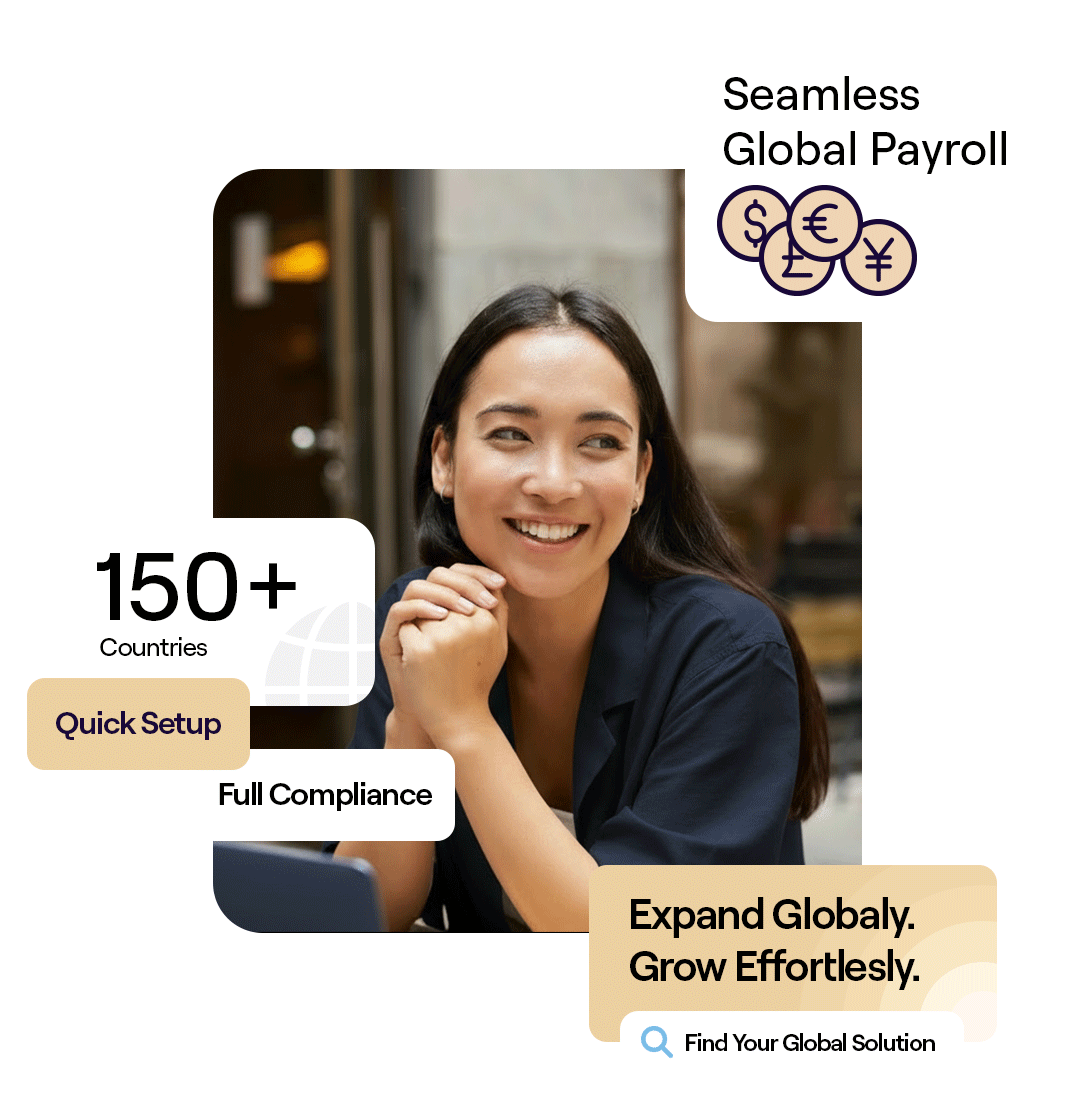
Expanding globally shouldn’t mean drowning in legal complexity. PamGro empowers companies to hire, manage, and pay global talent — without establishing local entities. Our Employer of Record (EOR) services ensure regulatory compliance, payroll accuracy, and risk-free hiring across 100+ countries.
Whether you’re building remote teams or entering new markets, PamGro provides the infrastructure and expertise to make global workforce management seamless.
→ Get started today with PamGro — your partner in compliant global expansion.