Global Workforce GlossaryBenefits Administration

Related Terms

Floating Holiday
Tax Identification Number
W2 Employee
Holiday Pay
Form I-9

Managing employee’s benefits across multiple countries isn’t just an HR function; it’s a strategic imperative that directly impacts your ability to attract top talent and scale globally. For executives building distributed teams, benefits administration complexity can either accelerate growth or become a costly bottleneck that derails expansion plans.

What is Employee Benefits Administration?

Employee benefits administration is the comprehensive process of designing, implementing, and managing all non-wage compensation programs for your workforce to meet employee needs. Think of it as the operating system that powers your talent acquisition and retention strategy, from health insurance, specific benefits, and retirement plans to flexible work arrangements and wellness programs.

For global companies, the benefits administration process extends far beyond traditional HR tasks. It encompasses navigating local regulations, managing diverse cultural expectations, and ensuring compliance across multiple jurisdictions. According to the U.S. Bureau of Labour Statistics, benefits typically represent 30% of total employee compensation costs, making effective administration crucial for financial planning and competitive positioning.

The strategic value of benefits offerings becomes evident when you consider that companies with strong benefits programs experience 40% lower turnover rates and can reduce recruitment costs by up to 25%. For scaling organisations, this translates directly into faster time-to-market and improved unit economics as you expand into new territories.

What are the common Employee Benefits?

Modern employee benefits management has evolved far beyond basic health coverage to encompass a comprehensive ecosystem designed to attract and retain top talent and promote employee well being in competitive global markets.

Common Employee Benefits (Table Stakes):

  • Health, dental, and vision insurance
  • Retirement savings plans (401k, pension schemes)
  • Paid time off and sick leave
  • Life and disability insurance
  • Workers’ compensation coverage

The key strategic insight: Benefits that enhance employee engagement are no longer just cost centres, they’re investment vehicles for talent acquisition and retention. Companies that view benefits through this lens consistently outperform competitors in hiring velocity and employee satisfaction metrics, allowing more informed decisions.

What are the most common Benefits Administration Systems?

Selecting the right employee benefits administration software can determine whether your global expansion accelerates or stalls under administrative complexity.

Enterprise Solutions:

  • Workday: Comprehensive HCM with strong international capabilities
  • ADP: Robust payroll integration with multi-country compliance
  • BambooHR: User-friendly interface with growing global features
  • SAP SuccessFactors: Deep integration capabilities for complex organisations

Specialised Global Platforms:

  • Remote: Built for distributed teams with country-specific compliance
  • Deel: Strong contractor and EOR integration
  • Papaya Global: Comprehensive workforce management across 160+ countries

How to Choose Benefits Administration Software

The selection process should align with your expansion timeline and complexity tolerance. Consider these strategic factors:

  1. Scalability Architecture: Can the system handle your projected headcount across target markets without requiring platform migration?
  2. Compliance Automation: Does it automatically update for changing regulations in your target countries, reducing legal risk?
  3. Integration Ecosystem: How seamlessly does it connect with your existing HR tech stack and financial systems?
  4. User Experience: Will your globally distributed team actually use the platform, or will adoption friction create administrative overhead?
  5. Total Cost of Ownership: Factor in implementation, training, ongoing support, and hidden costs like API usage or data storage.

What are the Key Aspects of Employee Benefits Administration?

Effective benefits administration operates on four foundational pillars that determine whether your program becomes a competitive advantage or operational liability.

1. Strategic Design & Planning

  • Analysing workforce demographics and preferences across different cultures
  • Benchmarking against local market standards in each operating country
  • Designing packages that balance cost control with talent attraction goals
  • Ensuring benefits align with the overall business strategy and company values

2. Legal Compliance & Risk Management

  • Staying current with evolving regulations across multiple jurisdictions
  • Managing fiduciary responsibilities for retirement and health plans
  • Ensuring proper documentation and audit trails for regulatory inspections
  • Implementing data privacy protections that meet international standards

3. Technology Integration & Automation

  • Selecting and implementing systems that reduce manual administrative burden
  • Creating self-service capabilities that empower employees while reducing HR workload
  • Integrating benefits data with payroll, HRIS, and financial reporting systems
  • Establishing backup systems and data security protocols

4. Communication & Employee Experience

  • Developing clear, culturally appropriate communication strategies for each market
  • Providing education and support to help employees maximise benefit value
  • Creating feedback loops to continuously improve program effectiveness
  • Managing open enrollment periods efficiently across time zones and languages

These aspects work synergistically; weakness in any area can undermine your entire benefits strategy and create costly compliance or retention issues.

What does a Benefits Administrator do?

A Benefits Administrator serves as the strategic architect and operational executor of your organisation’s benefits program and total rewards philosophy, directly impacting your ability to compete for talent in global markets.

Strategic Responsibilities:

  • Partner with leadership to design benefits packages that support business objectives
  • Conduct market analysis to ensure competitive positioning in target markets
  • Evaluate vendor relationships and negotiate contracts that optimise cost and service
  • Develop policies and procedures that scale with organisational growth

Operational Excellence:

  • Manage daily administration of all benefit programs with precision and timeliness
  • Serve as primary liaison between employees, vendors, and insurance carriers
  • Process enrollments, changes, and claims while ensuring accuracy and compliance
  • Maintain detailed records and generate reports for leadership decision-making

Risk Management:

  • Monitor compliance with federal, state, and international regulations
  • Conduct regular audits of processes and documentation
  • Manage COBRA, FMLA, and other legally mandated programs
  • Coordinate with legal and compliance teams on complex issues

Employee Experience:

  • Educate employees about available benefits and optimal utilisation strategies
  • Resolve benefits-related questions and issues with empathy and efficiency
  • Lead open enrollment communications and decision-support processes
  • Gather feedback to continuously improve program effectiveness

How much do Benefits Administrators make in the US?

Benefits Administrator compensation reflects the strategic value these professionals bring to managing pension plans and other talent acquisition and retention efforts. Current market data shows that Benefits Administrators earn an average salary of $62,134, with experienced professionals earning up to $83,121 annually.

Salary Ranges by Experience Level:

  • Entry Level (0-2 years): $45,000 – $55,000
  • Mid-Level (3-7 years): $55,000 – $75,000
  • Senior Level (8+ years): $75,000 – $95,000
  • Specialised/Global Focus: $85,000 – $110,000+

Geographic Variations:

  • High-cost markets (SF, NYC, Boston): 15-25% premium above national average
  • Mid-tier cities: Within 5-10% of the national average
  • Lower-cost regions: 10-15% below the national average

Factors Driving Premium Compensation:

  • International benefits administration experience
  • Professional certifications (CEBS, GBA, CCP)
  • Technology implementation and vendor management expertise
  • Multi-state or multi-country compliance knowledge
  • Change management and employee communication skills

The investment in qualified benefits administration talent typically generates 3-5x ROI through reduced turnover, improved compliance, and more effective vendor negotiations.

How to administer benefits to a distributed workforce?

Managing benefits for a globally distributed team requires a fundamentally different approach than outsourcing benefits administration, traditional centralised administration, one that balances consistency with local compliance, cultural expectations, and support for work-life balance.

Technology-First Approach:

Implement cloud-based platforms that provide real-time access across time zones while maintaining data security and compliance standards. Your system must handle multiple currencies, languages, and regulatory frameworks without requiring constant manual intervention.

Standardisation vs. Localisation Strategy:

Create core benefit principles that reflect company values while allowing flexibility for local market requirements. For example, maintain consistent parental leave policies while adjusting health insurance approaches based on national healthcare systems.

Multi-Jurisdiction Compliance Framework:

  • Partner with local legal experts in each operating country
  • Establish regular compliance review cycles tied to regulatory update schedules
  • Implement automated alerts for regulatory changes that impact benefit programs
  • Maintain detailed documentation for audit purposes across all jurisdictions

Communication Excellence:

  • Develop benefit communications in local languages with cultural sensitivity
  • Provide multiple communication channels (video, written, live sessions) to accommodate different preferences
  • Schedule communication timing to respect local business hours and cultural norms
  • Create peer-to-peer networks where experienced employees can guide newcomers

Vendor Management Strategy:

Consider whether to work with one global provider, multiple regional specialists, or a hybrid approach. Global providers offer consistency but may lack local expertise, while regional vendors provide deep market knowledge but require more coordination overhead.

Example:

Consider a Series B fintech startup needing to hire 50 engineers across Europe within six months. Without proper benefits administration infrastructure, they face compliance risks in each country, inconsistent employee experiences, and potentially months of delays during the enrollment process . With strategic benefits administration, the right platform, local expertise, partnerships, and scalable processes, they onboard talent seamlessly while building competitive advantage through superior offerings.
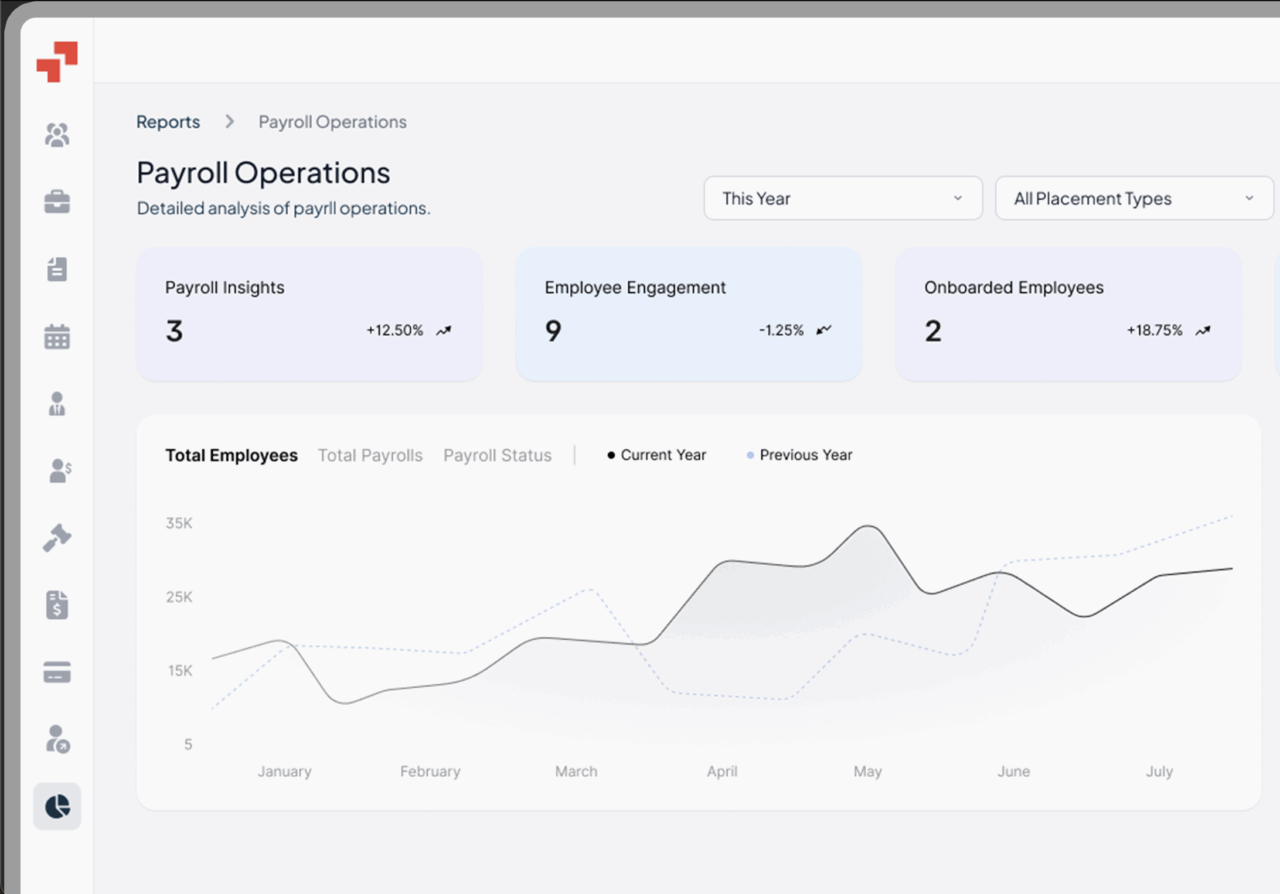
Hire the Best Talent, Anywhere

Onboard and pay top employees and contractors globally, without worrying about entities or compliance.
https://pamgro.com/wp-content/uploads/2024/12/Screenshot-2025-09-01-at-1.13.50-PM-1280x894.png